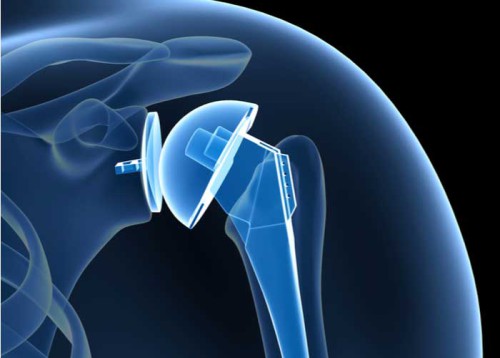


Specialized Care for Previous Joint Replacement Problems in Ahmedabad

A joint replacement can provide significant improvement in pain and mobility, but in some cases, an artificial joint may develop problems over time. Persistent pain, instability, implant loosening, wear, infection, or other complications may require further evaluation and, in selected cases, Revisional Joint Replacement Surgery.

At Asian Orthopaedic Hospital, we provide specialized assessment and surgical care for patients who require Revisional Joint Replacement Surgery following a previous joint replacement. As a trusted centre for Revisional Joint Replacement Surgery in Ahmedabad, our approach focuses on identifying the underlying problem, planning the appropriate treatment, and supporting recovery through structured rehabilitation.

Whether it’s a worn knee implant, a loosened hip prosthesis, or a failed shoulder replacement, our team has the experience to manage complex Revisional Joint Replacement Surgery cases with the same care and precision as a first-time procedure.

asianlogo
Revisional Joint Replacement Surgery

When Revision Surgery May Be Needed

Revision joint replacement is a complex procedure performed to address problems involving a previous joint replacement. The need for revision surgery depends on the cause of the problem, the condition of the implant and surrounding bone, and the patient’s symptoms and overall health.

A detailed clinical assessment, medical history, physical examination, and appropriate imaging or investigations help identify the underlying cause and determine the appropriate treatment.

Common Signs of Hip Joint Problems

  • Persistent or recurring pain after joint replacement
  • Loosening or wear of the implant
  • Instability or repeated joint dislocation
  • Infection around the artificial joint
  • Damage or fracture around the implant
  • Implant failure or mechanical problems
  • Significant loss of bone around the joint
  • Reduced function following a previous replacement

Specialized Treatment Based on the Cause

Revision surgery is different from primary joint replacement. The procedure may involve removing some or all of the existing implant components, addressing damaged bone or soft tissues, and placing new components when appropriate.
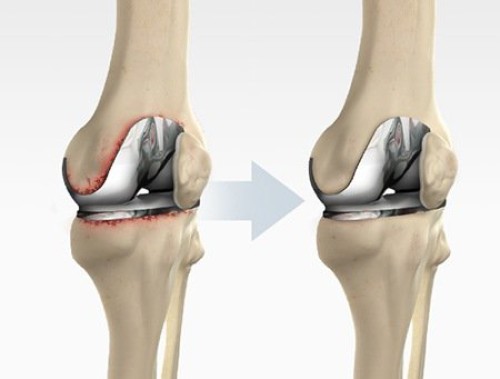
revision-knee-replacement
Revision Knee Replacement

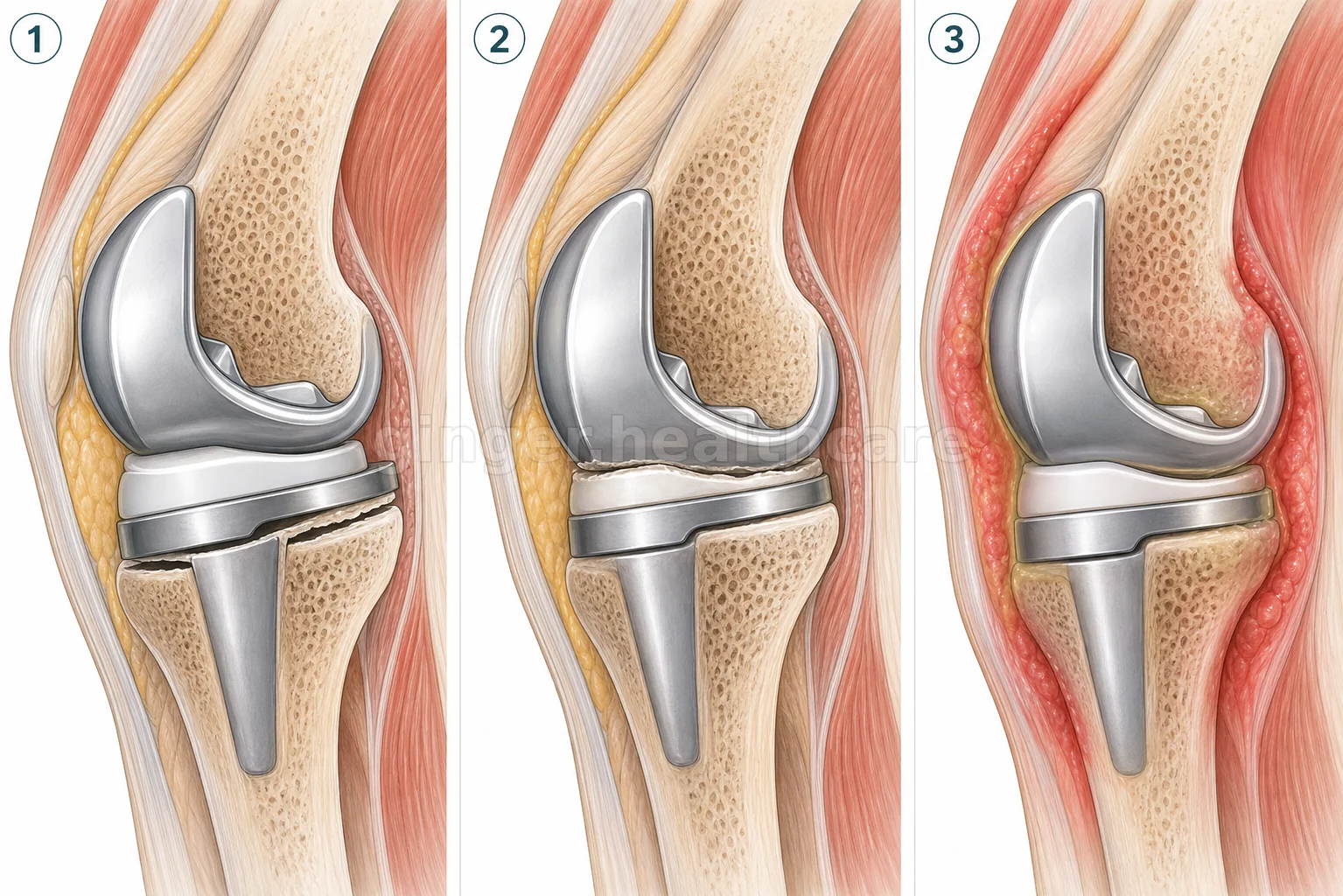
Revision Knee Replacement may be required when a previous knee replacement develops problems such as loosening, instability, infection, significant wear, or other complications affecting knee function.

Revision Hip Replacement

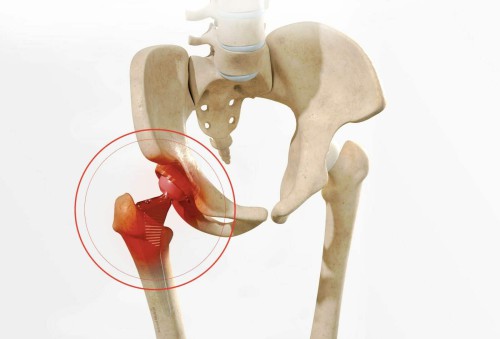
Revision Hip Replacement may be considered when a previous hip replacement develops complications such as implant loosening, instability, wear, infection, fracture, or other problems affecting the artificial joint.

Shoulder Replacement
Complex Revision Cases

Some revision procedures involve significant bone loss, previous surgeries, infection, or complex implant-related problems. These cases require detailed assessment and careful surgical planning based on the individual patient’s condition.

Revision Surgery Journey

Revision joint replacement requires careful planning before, during, and after surgery. At Asian Orthopaedic Hospital, the treatment process is tailored to the cause of the previous joint replacement problem and the patient’s individual requirements.

FAQ’s

Watch for pain, instability, swelling, or clicking sounds that develop years after surgery. If symptoms persist, get the implant evaluated.

Most implants last 15–20 years or more, but this depends on activity level, weight and bone quality. An X-ray and check-up can confirm your implant’s condition.

It’s generally more complex than a first-time replacement, which is why it needs a surgeon experienced specifically in revision cases.

Recovery usually takes longer than a first-time replacement, often a few months, with physiotherapy playing a key role.

When Your Previous Joint Replacement Needs Further Attention

Expert Care for Complex Joint Replacement Problems

Persistent pain, instability, swelling, or reduced function after joint replacement should be evaluated by an experienced orthopaedic specialist. Early assessment can help identify potential problems and determine whether observation, non-surgical treatment, or revision surgery may be appropriate.

At Asian Orthopaedic Hospital, we provide comprehensive care for patients with complications involving previous knee and hip replacements, with treatment planned according to each patient’s individual condition.