



Knee Arthroscopy Surgery
Knee Arthroscopy Surgery is a minimally invasive procedure used to examine and treat selected problems inside the knee joint. During the procedure, a small camera called an arthroscope is inserted through a small incision, allowing the orthopaedic surgeon to view the internal structures of the knee and use specialised instruments when treatment is required.
At Asian Orthopaedic Hospital, Knee Arthroscopy Surgery in Sabarmati is planned according to the patient’s symptoms, knee condition, activity level, imaging findings, and overall treatment requirements.

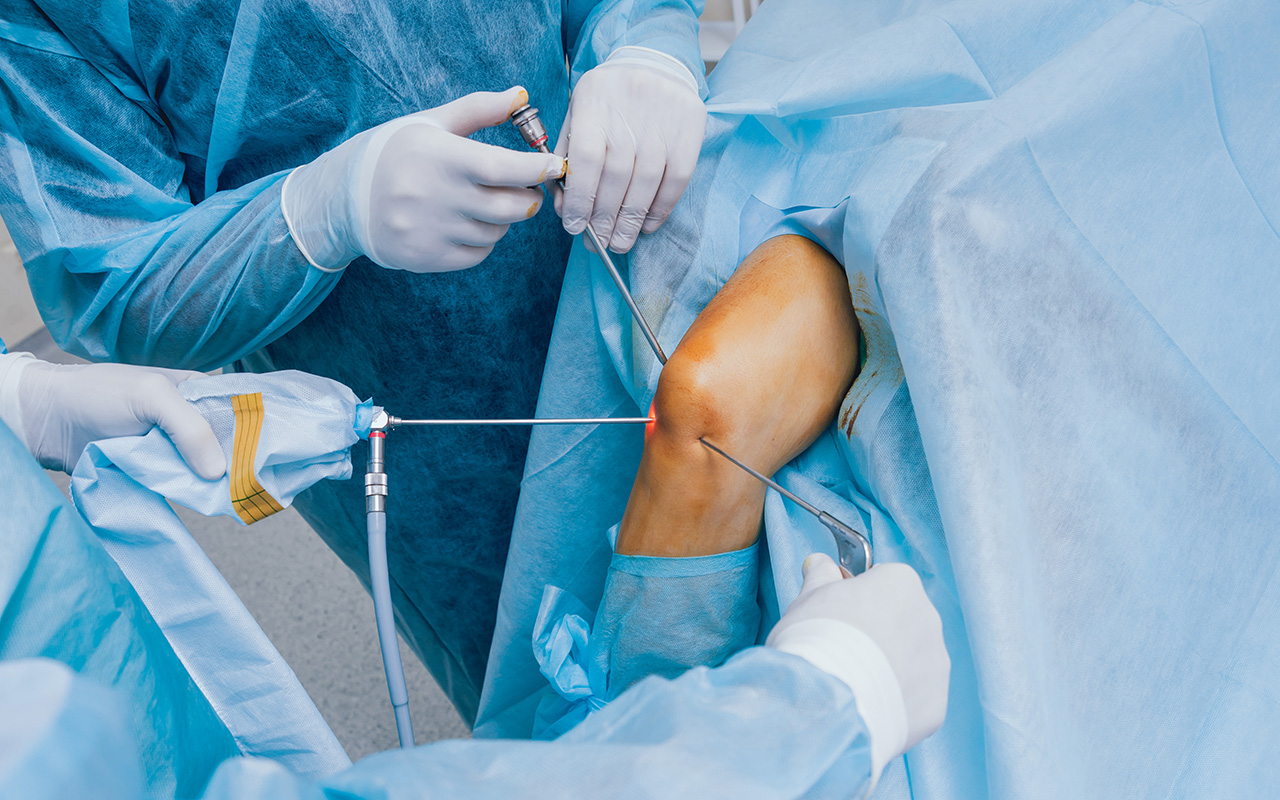
What Is Knee Arthroscopy?
The knee is a complex joint made up of bones, cartilage, ligaments, meniscus, and other soft tissues that work together to provide stability and movement. Injuries or damage to these structures can result in pain, swelling, stiffness, instability, locking, or difficulty with everyday activities.
Knee Arthroscopy allows the surgeon to directly examine the inside of the knee using a small camera inserted through a small incision. This provides a detailed view of the joint and can help identify specific problems requiring arthroscopic treatment.
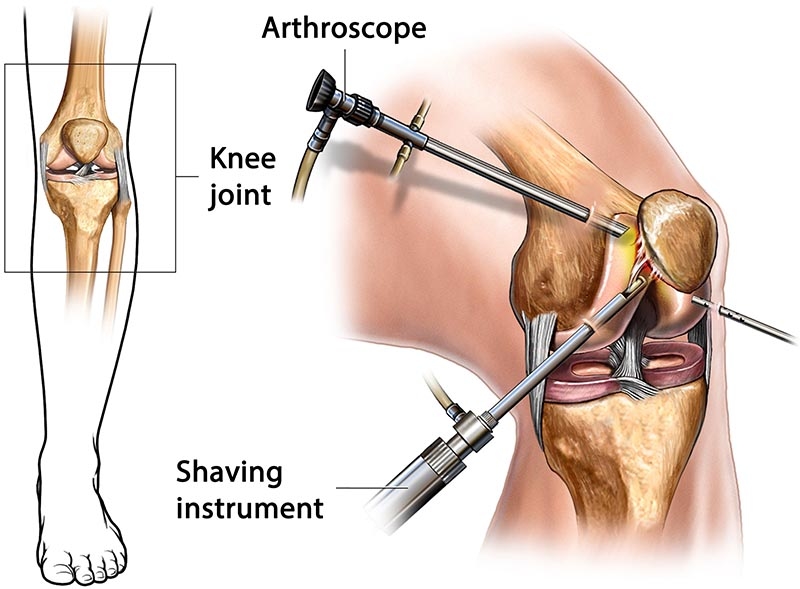
How Is Knee Arthroscopy Performed?
During Knee Arthroscopy Surgery, small incisions are made around the knee to introduce the arthroscope and specialised surgical instruments.
The arthroscope provides a clear view of the internal structures of the knee, allowing the surgeon to assess conditions affecting the cartilage, meniscus, ligaments, and other joint tissues. When appropriate, the surgeon can perform the required treatment through additional small incisions.
The surgical approach is determined after a detailed knee evaluation, relevant imaging, and assessment of the patient’s symptoms, activity requirements, knee condition, and overall health.
Knee Arthroscopy Surgery Journey
At Asian Orthopaedic Hospital, Knee Arthroscopy Treatment follows a structured approach from diagnosis and treatment planning through surgery and rehabilitation. The recovery plan is adapted according to the procedure performed and the individual patient’s needs.
FAQs
Get in Touch