



Total Hip Replacement
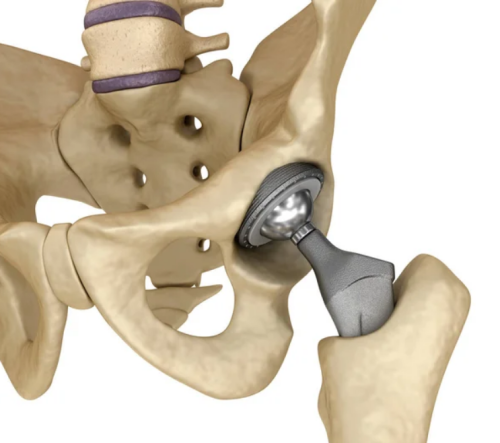
Total Hip Replacement is a surgical procedure used to replace a damaged hip joint — both the ball and socket — with an artificial implant. It may be considered when severe hip pain, joint degeneration, stiffness, and reduced mobility begin to interfere with everyday activities.
At Asian Orthopaedic Hospital, a trusted Hip Replacement Hospital in Ahmedabad, Total Hip Replacement is planned according to the condition of the hip joint, severity of symptoms, mobility limitations, and individual patient requirements.

When Is Total Hip Replacement Needed?
The hip is an important weight-bearing joint that supports activities such as walking, climbing stairs, bending, and sitting. Damage or degeneration of the joint can progressively cause pain and restrict normal movement.
Common conditions associated with significant hip joint damage include:
Patients with significant hip damage may experience moderate to severe pain, difficulty walking, difficulty climbing stairs, and problems bending the hip. In some cases, pain may also become noticeable while resting.
When symptoms continue despite non-surgical treatments such as physical therapy or medication, Total Hip Replacement may be considered following a detailed orthopaedic evaluation.
Total Hip Replacement Surgery
Total Hip Replacement involves replacing the damaged hip joint with an artificial implant designed to restore the structure and function of the joint.
The procedure may be considered when hip joint degeneration has significantly affected mobility and everyday activities.
Damaged Joint Assessment
Before surgery, the hip is evaluated to understand the extent of joint damage, stiffness, pain, and mobility limitations.
Personalized Surgical Planning
The surgical approach and implant selection are planned according to the patient’s hip condition, level of joint damage, activity requirements, and overall treatment needs.
Replacement of the Damaged Joint
During surgery, the damaged portions of the hip joint are removed and replaced with appropriate artificial components.
Supporting Hip Function
The treatment is planned to support improved hip movement and help patients progressively return to everyday activities following recovery.
Total Hip Replacement Journey
Recovery following Total Hip Replacement involves early mobilization, strengthening exercises, physiotherapy, and follow-up care.
FAQ’s
Get in Touch