


Total Knee Replacement
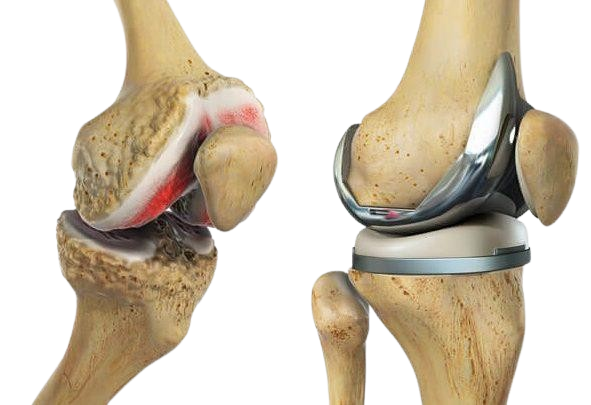
Total Knee Replacement is a surgical procedure that restores movement and relieves pain in a knee joint that has been severely damaged by arthritis, injury, or wear over time. During the surgery, the damaged surfaces of the thigh bone, shin bone, and kneecap are reshaped and capped with metal and plastic implants that recreate smooth, pain-free movement of the joint.
At Asian Orthopaedic Hospital, patients looking for Knee Replacement Surgery in Sabarmati are treated with a plan built around their specific condition — the extent of joint damage, severity of symptoms, current mobility, age, and lifestyle needs — so that each surgery is tailored to help the patient return to daily activity as safely and quickly as possible.

When Is Total Knee Replacement Needed?
The knee is a major weight-bearing joint that plays an important role in walking, climbing stairs, bending, and everyday movement. Arthritis, injuries, or progressive joint damage can cause the knee to become painful and restrict normal mobility.
Osteoarthritis is one of the most common reasons for knee replacement. As the cartilage that normally reduces friction between the joint surfaces wears down, movement can become increasingly painful and difficult.
Other conditions that may contribute to significant knee joint damage include:
Severe knee degeneration may lead to persistent pain, stiffness, reduced movement, and difficulty performing activities such as walking, climbing stairs, or bending the knee.
Total Knee Replacement Surgery
Total Knee Replacement involves removing damaged portions of the knee joint and replacing them with artificial prosthetic components.
The procedure is considered when significant knee damage affects mobility and daily activities and when appropriate non-surgical treatment is no longer sufficient.
Damaged Joint Assessment
Before surgery, the condition of the knee is evaluated to understand the extent of joint damage and determine the appropriate surgical approach.
Removal of Damaged Surfaces
During the procedure, damaged bone and cartilage on the joint surfaces are removed to prepare the knee for the prosthetic components.
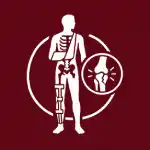
Placement of Prosthetic Components
Artificial components are positioned to cap the resurfaced ends of the joint and help restore the structure and function of the knee.
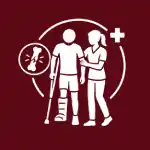
Restoring Knee Movement
The overall treatment is planned with the goal of supporting improved knee mobility and helping the patient progressively return to everyday activities.
Recovery & Rehabilitation
Rehabilitation begins soon after Total Knee Replacement. A structured recovery program helps patients gradually improve knee movement, leg strength, and functional mobility.
FAQ’s
Get in Touch