



Revision Knee Replacement
Revision Knee Replacement in Sabarmati is a specialized procedure performed when a previous knee replacement needs to be replaced or surgically corrected. Unlike primary knee replacement, this kind of revision surgery can be more complex and may require specialized implants, advanced surgical techniques, and careful pre-operative planning.
At Asian Orthopaedic Hospital, Revision Knee Replacement is planned according to the condition of the existing implant, the cause of failure, bone and joint condition, symptoms, and the patient’s individual treatment requirements. As one of the few centres offering dedicated Revision Knee Replacement in Sabarmati, our team brings the same precision and care to complex revision cases as to a first-time knee replacement.

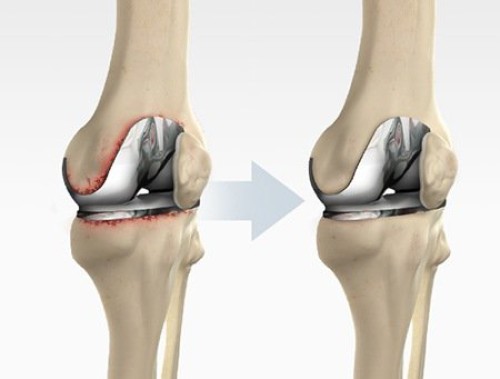
What Is Revision Knee Replacement?
A knee replacement implant is designed to provide long-term joint function, but an artificial joint can eventually develop problems or require further treatment.
Revision Knee Replacement involves removing an existing artificial knee implant and replacing it with a new prosthesis or using specialized surgical techniques to address the underlying problem.
Revision surgery is generally more complex than a primary knee replacement because the surgeon may need to manage the existing implant, surrounding bone, scar tissue, or other changes resulting from the previous surgery.
Common Reasons for Revision
A previous knee replacement may require revision because of:
The live service page notes that knee replacement implants commonly have a lifespan of around 15–20 years, although this can vary depending on factors such as use, injury, implant condition, loosening, displacement, and infection.
When Is Revision Knee Replacement Needed?
Patients who have previously undergone knee replacement may develop symptoms indicating that the artificial joint needs further assessment.
Persistent Pain
Pain that continues or develops after a previous knee replacement may require investigation to identify its underlying cause.
Knee Instability
A failing or displaced implant can affect knee stability and may make everyday activities more difficult.
Stiffness & Reduced Movement
Changes around the artificial joint may result in stiffness and difficulty moving the knee normally.
Swelling or Infection
Swelling and other symptoms can sometimes be associated with infection or problems affecting the artificial joint and should be evaluated by an orthopaedic specialist.
Implant Loosening or Wear
Over time, components of an artificial knee can become loose or worn, potentially affecting joint stability and function.
A detailed clinical assessment, previous treatment records, X-rays, MRI or other appropriate investigations may be used to understand the condition of the existing knee replacement and determine whether revision surgery is appropriate.Your Content Goes Here
Revision Knee Replacement Journey
Revision knee replacement requires detailed planning because the treatment approach depends on why the original knee replacement has failed and the condition of the existing joint.
FAQ’s
Get in Touch