


Total Shoulder Replacement
Total Shoulder Replacement is a surgical procedure that replaces the damaged surfaces of the shoulder joint with artificial components. It may be considered when advanced shoulder damage causes persistent pain, stiffness, weakness, and restricted movement that affects everyday activities.
At Asian Orthopaedic Hospital, Total Shoulder Replacement in Sabarmati is planned according to the condition of the shoulder joint, severity of symptoms, extent of damage, mobility limitations, and individual treatment requirements.

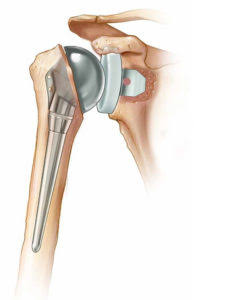
When Is Total Shoulder Replacement Needed?
The shoulder joint allows the arm to move in multiple directions and plays an important role in everyday activities. Arthritis, injuries, fractures, and other conditions can damage the joint and gradually affect shoulder movement and function.
Conditions that may contribute to significant shoulder pain and joint damage include:
As shoulder damage progresses, patients may experience persistent pain, stiffness, weakness, reduced range of motion, and difficulty using the arm. These symptoms can affect activities such as dressing, reaching, lifting, working, and sleeping.
When medications, physiotherapy, activity modification, and other non-surgical treatments do not provide adequate relief, Total Shoulder Replacement may be considered following a detailed orthopaedic evaluation.
Total Shoulder Replacement Surgery
Total Shoulder Replacement involves treating the damaged surfaces of the shoulder joint and replacing them with appropriate artificial components. The procedure is planned according to the patient’s joint condition and functional requirements.
Detailed Shoulder Assessment
A comprehensive assessment evaluates shoulder pain, stiffness, strength, range of motion, medical history, and the extent of joint damage. This helps determine whether Total Shoulder Replacement is an appropriate treatment option.
Personalized Surgical Planning
The surgical plan is developed according to the patient’s shoulder condition, severity of joint damage, symptoms, movement limitations, lifestyle, and functional requirements.
Replacement of Damaged Joint Surfaces
During surgery, the damaged joint surfaces are carefully treated and replaced with suitable prosthetic components. The implant selection and surgical approach depend on the individual condition of the shoulder.
Restoring Shoulder Function
Following surgery, the focus shifts toward progressively improving shoulder movement, strength, and functional use of the arm through appropriate rehabilitation and follow-up care.
Total Shoulder Replacement Journey
Recovery following Total Shoulder Replacement Surgery takes place gradually. It includes initial post-operative care, shoulder protection, rehabilitation, and regular follow-up to monitor healing and functional progress.
FAQs
Get in Touch