



Revision Shoulder Replacement
Revision Shoulder Replacement in Sabarmati is a specialized surgical procedure for patients who have previously undergone shoulder replacement surgery and require further treatment because the earlier replacement has failed or because significant damage affects the shoulder.
The live service page also describes reverse shoulder replacement in situations involving severe or complete rotator cuff damage or a previously failed shoulder replacement.

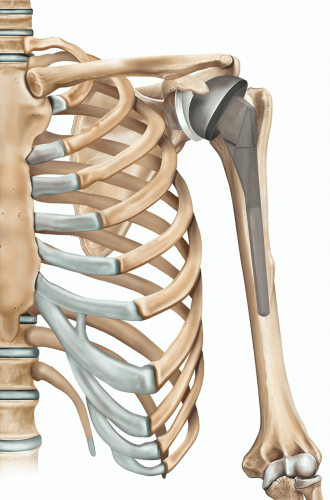
What Is Revision Shoulder Replacement?
Revision Shoulder Replacement involves further surgical treatment of a shoulder that has previously undergone replacement surgery.
A previous shoulder replacement may require revision when the existing joint replacement no longer provides appropriate function or when significant problems affect the shoulder.
When May Revision Surgery Be Considered?
Revision shoulder surgery may be considered following an appropriate orthopaedic evaluation when there are concerns such as:
The underlying cause must be carefully assessed before determining the appropriate surgical approach.
Specialized Treatment for Complex Shoulder Problems
Revision shoulder replacement requires careful evaluation of the existing implant, shoulder joint, rotator cuff, surrounding tissues, and overall condition of the patient.
Detailed Shoulder Evaluation
The shoulder is assessed to understand the patient’s symptoms, previous surgery, current movement, and extent of damage.
Assessment of the Previous Replacement
The existing shoulder replacement is evaluated to determine whether there is a problem with the previous procedure or implant.
Evaluation of the Rotator Cuff
The condition of the rotator cuff is important when planning revision or reverse shoulder replacement, particularly when there is severe or complete rotator cuff damage.
Personalized Surgical Planning
The appropriate surgical approach is selected according to the patient’s condition, previous replacement, rotator cuff status, and functional requirements.
From Surgical Evaluation to Rehabilitation
Reverse shoulder replacement may be considered in selected patients with severe or complete rotator cuff damage or a previously failed shoulder replacement.
FAQs
Get in Touch